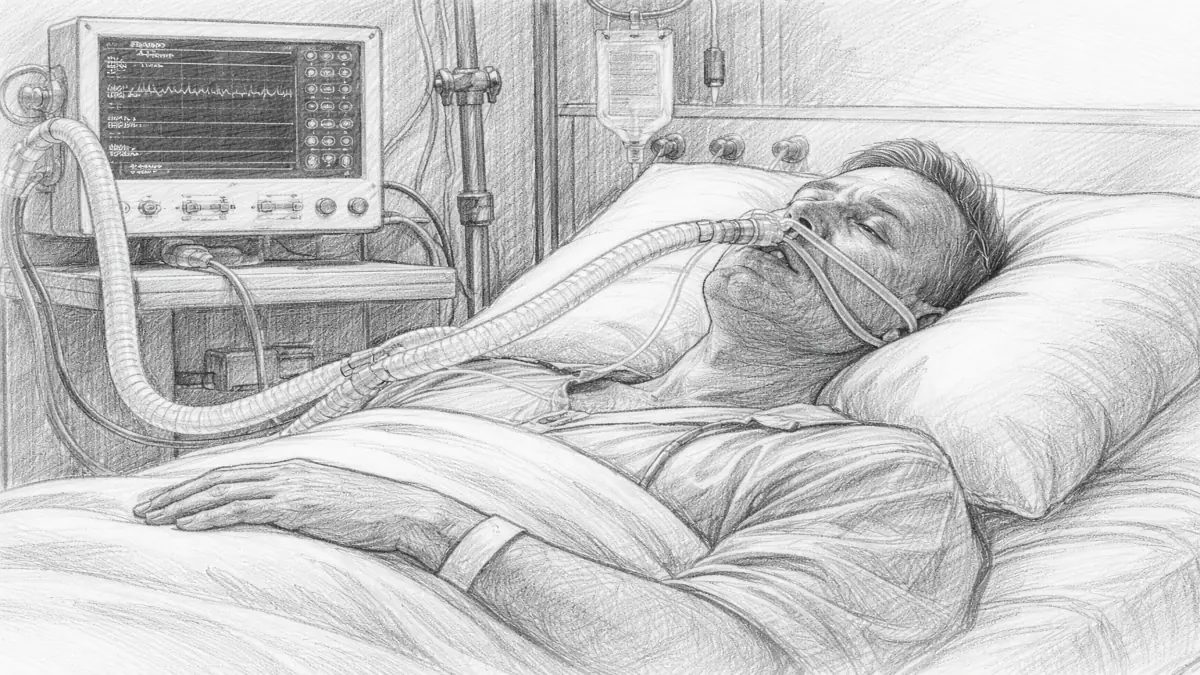
Losing a loved one because of someone else’s negligence is devastating. Beyond the emotional shock, families are often forced to confront medical bills, funeral costs, and the sudden loss of financial support. A wrongful death lawyer helps families understand their legal rights, preserve critical evidence, and pursue compensation through the civil justice system—while respecting the grief and complexity that follow a tragic loss.
This article explains how wrongful death claims work, who may bring a claim, what damages may be available, and why early legal guidance matters. The information below reflects general principles of U.S. law and Illinois practice; it is not legal advice and does not replace a consultation with a qualified attorney.
Understanding Wrongful Death Claims
A wrongful death claim arises when a person’s death is caused by another party’s negligent, reckless, or intentional conduct. Common scenarios include serious motor vehicle crashes, unsafe premises, medical negligence, workplace incidents, and defective products. While criminal cases focus on punishment, wrongful death actions are civil claims designed to compensate surviving family members for their losses.
A wrongful death lawyer evaluates how the death occurred, identifies responsible parties, and determines whether the facts support a civil claim under applicable statutes and case law. These cases are evidence-driven and time-sensitive, making early action critical.
Who Can File a Wrongful Death Case in Illinois?
Illinois law limits who may bring a wrongful death action and how any recovery is distributed. Typically, the personal representative of the deceased person’s estate files the claim on behalf of surviving family members. Eligible beneficiaries often include a spouse and children; when none exist, other next of kin may be eligible under specific circumstances.
Because eligibility and distribution can be nuanced, families benefit from guidance by a wrongful death lawyer who understands probate coordination and civil procedure in Illinois courts.
Proving Liability: What Must Be Shown
Although each case is unique, most wrongful death claims must establish four core elements:
- Duty of care owed by the defendant
- Breach of that duty through negligent or wrongful conduct
- Causation linking the breach to the death
- Damages suffered by surviving beneficiaries
Evidence may include police reports, medical records, expert testimony, surveillance footage, vehicle data, maintenance logs, and witness statements. A wrongful death lawyer coordinates these materials and works with qualified experts to present a clear narrative to insurers, judges, or juries.

Damages Available in Wrongful Death Actions
Compensation is intended to address both financial and human losses. Depending on the facts, recoverable damages may include:
- Funeral and burial expenses
- Medical costs related to the final injury or illness
- Loss of financial support and benefits
- Loss of companionship, guidance, and consortium
- Grief, sorrow, and mental suffering
Separate survival actions may also be available to recover damages the deceased could have claimed had they lived, such as conscious pain and suffering prior to death. A wrongful death lawyer will assess whether both actions apply and coordinate them properly.
Why Timing Matters
Illinois imposes strict filing deadlines (statutes of limitations). Missing a deadline can permanently bar a claim, regardless of its merits. Early involvement of a wrongful death lawyer helps preserve evidence, identify all potentially responsible parties, and meet procedural requirements in the appropriate court.
For authoritative guidance on Illinois civil procedures and statutes, families can review resources from the Illinois General Assembly and the Circuit Court of Cook County, which publish official rules and statutes governing civil actions.
Insurance, Settlements, and Litigation
Many wrongful death claims involve negotiations with insurers. Insurers may attempt early settlements that do not fully reflect long-term losses. A wrongful death lawyer evaluates settlement offers against projected damages and, when necessary, prepares the case for litigation.
If a fair resolution cannot be reached, filing suit allows formal discovery, depositions, and motion practice. While trials are not always required, readiness to proceed can significantly strengthen a family’s negotiating position.
Common Misconceptions
“Only criminal cases matter.”
Criminal proceedings and civil wrongful death claims are separate. A civil case can proceed regardless of whether criminal charges are filed or a conviction occurs.
“Insurance decides everything.”
Insurance plays a role, but liability and damages are determined by law and evidence. Courts ultimately resolve disputes when negotiations fail.
“It’s too late to act.”
Even if time has passed, a wrongful death lawyer can quickly assess whether deadlines remain open and what steps are still available.
Choosing the Right Legal Help
When selecting a wrongful death lawyer, families should look for experience with complex litigation, access to credible experts, and clear communication. Compassion matters, but so does precision—these cases demand both.
Frequently Asked Questions
What does a wrongful death lawyer do first?
They typically investigate the incident, secure records, identify defendants, and calculate potential damages while ensuring deadlines are met.
How long does a wrongful death case take?
Timelines vary. Some cases resolve through settlement within months; others require longer litigation depending on complexity and court schedules.
Do wrongful death cases always go to trial?
No. Many resolve through negotiated settlements, but trial preparation is essential to achieving fair outcomes.
Is there a cap on damages?
Damage limits depend on the type of claim and defendant. A wrongful death lawyer can explain any applicable statutory caps.
Legal Disclaimer
This content is provided for general informational purposes only and does not constitute legal advice. Laws change, facts matter, and outcomes depend on the specific circumstances of each case. Reading this article does not create an attorney-client relationship. You should consult a licensed attorney to obtain advice regarding your individual situation, deadlines, and rights under applicable law.
Leave a Reply