Ley de la Trampa de Suscripciones: Conozca Sus Derechos de Cancelación
Why Subscription Contracts Have Become a Legal Concern
Subscriptions are everywhere.
Consumers subscribe to streaming services, fitness memberships, software platforms, cloud storage, meal delivery programs, mobile applications, online learning services, and many other recurring products.
Many subscriptions provide convenience. Instead of making a large purchase, consumers pay smaller recurring amounts over time.
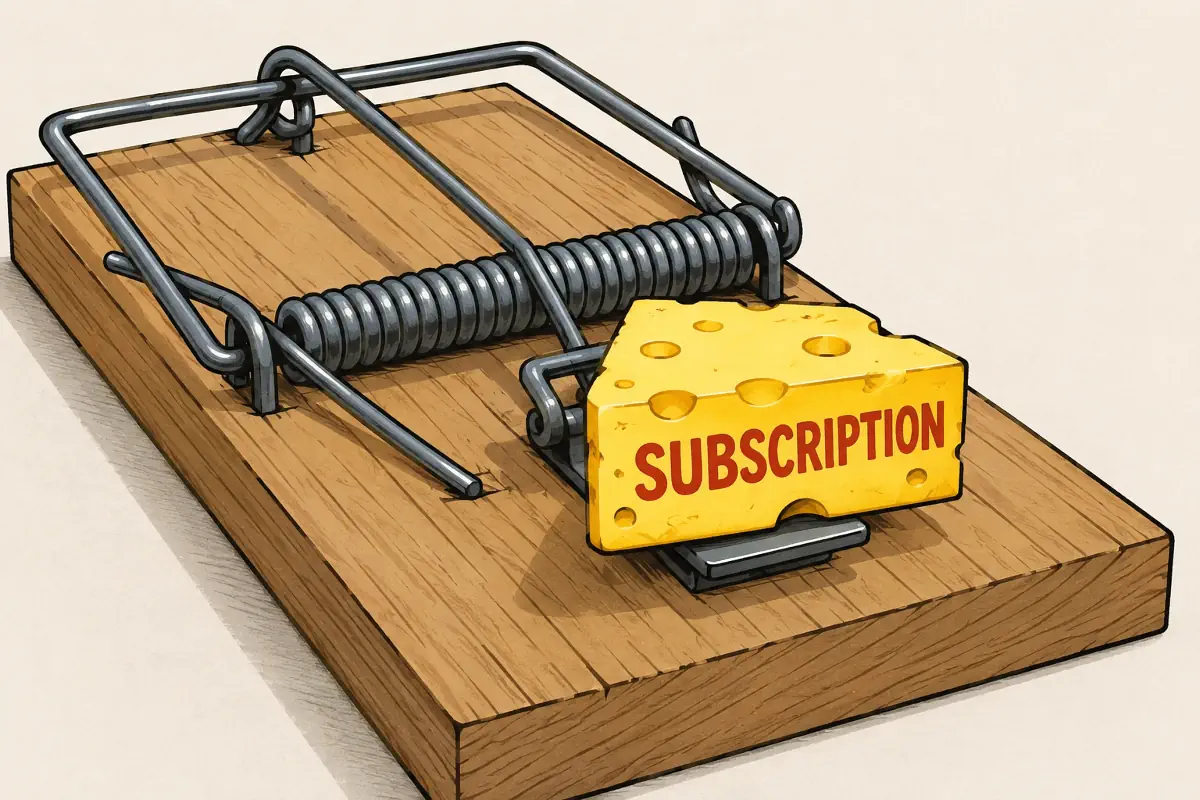
Problems begin when consumers attempt to leave.
A growing number of complaints involve situations where:
- Signing up takes only a few seconds
- Cancelling requires numerous steps
- Customer service is difficult to reach
- Renewal terms are difficult to locate
- Charges continue unexpectedly
- Consumers do not realize they are enrolled in recurring billing
These situations have attracted increasing attention from consumer protection agencies and lawmakers.
As subscription-based business models continue to grow, legal questions surrounding transparency, disclosure, consent, and cancellation rights have become increasingly important.
Understanding these issues can help consumers make informed decisions before entering subscription agreements.
Understanding Subscription Agreements
What Is a Subscription Contract?
A subscription contract is an agreement in which a consumer receives ongoing goods or services in exchange for recurring payments.
Examples include:
- Video streaming memberships
- Music streaming services
- Software subscriptions
- Security monitoring services
- Fitness memberships
- News publications
- Mobile app subscriptions
- Online gaming memberships
- Cloud storage services
- Delivery memberships
Some subscriptions renew monthly.
Others renew quarterly or annually.
The details are typically contained within terms of service, membership agreements, or subscription contracts.
Why Consumers Often Miss Important Terms
Modern subscription enrollment processes are designed for speed.
Consumers often:
- Click through terms quickly
- Accept agreements without reading them
- Focus on introductory offers
- Ignore renewal provisions
- Overlook cancellation instructions
As a result, many consumers do not fully understand their obligations until billing disputes arise.
This does not automatically mean a company acted improperly.
However, it does explain why subscription disputes have become increasingly common.
Consumer Consent and Disclosure
The Importance of Clear Information
Consumer protection principles generally emphasize transparency.
Before enrolling, consumers should understand:
- What they are purchasing
- How much it costs
- When charges occur
- Whether charges recur automatically
- How to cancel
- Whether fees may increase
- Whether refunds are available
Clear disclosure helps consumers make informed decisions.
When important information is difficult to find, misunderstandings become more likely.
Common Areas of Consumer Confusion
Subscription complaints frequently involve:
- Automatic renewals
- Introductory pricing
- Trial conversions
- Additional fees
- Account upgrades
- Cancellation procedures
For example, a consumer may focus on a promotional offer and overlook language explaining future recurring charges.
Later, when charges appear, the consumer may feel surprised even though certain information was included in the agreement.
This is one reason disclosure practices receive significant legal scrutiny.
Automatic Renewals
What Is an Automatic Renewal?
An automatic renewal provision allows a subscription to continue unless the consumer actively cancels before a renewal date.
Automatic renewals are common throughout modern commerce.
Examples include:
- Streaming subscriptions
- Antivirus software
- Mobile applications
- Fitness memberships
- Online education services
- Professional memberships
Automatic renewal provisions are not inherently unlawful.
However, regulators often examine how those provisions are presented to consumers.
Why Auto-Renewals Generate Complaints
Many consumers report:
- Forgetting renewal dates
- Missing subscription renewal notifications
- Not understanding recurring billing terms
- Difficulty finding cancellation options
- Unexpected annual charges
The larger the number of affected consumers, the greater the potential concern for consumer protection authorities.
The Rise of Subscription-Based Business Models
A Major Shift in Commerce
Many industries have moved away from one-time purchases.
Instead, businesses increasingly rely on recurring revenue.
Examples include:
- Entertainment
- Technology
- Fitness
- Education
- Professional services
- Retail memberships
Recurring billing creates predictable revenue for businesses.
At the same time, it creates ongoing obligations for consumers.
This shift has changed how contracts are formed and managed.
The Impact on Consumers
A consumer may maintain numerous subscriptions simultaneously.
These may include:
- Television services
- Music services
- Cloud storage
- Software licenses
- Security products
- Delivery programs
- Gaming memberships
Each subscription may appear inexpensive individually.
Combined together, however, recurring costs can become significant.
This is why many consumers periodically review their subscription expenses.
Free Trial Programs
Why Free Trials Are Popular
Free trials allow consumers to evaluate products before committing financially.
Businesses benefit because consumers can experience a service before purchasing.
Consumers benefit because they can test a service without immediate cost.
When properly disclosed, free trials can be beneficial for everyone involved.
Common Free Trial Disputes
Problems may arise when consumers claim they did not understand:
- When the trial ends
- When billing begins
- How to cancel
- Whether payment information will be charged automatically
Common complaints include:
- Unexpected recurring charges
- Forgotten trial expiration dates
- Difficulty locating cancellation tools
- Confusion regarding account settings
Consumers should carefully review trial terms before enrollment.
Negative Option Marketing
Understanding the Concept
Negative option marketing generally involves situations where a consumer’s silence or failure to act results in a charge, renewal, or continuation of services.
Many subscription programs operate in this manner.
For example:
- A consumer starts a trial
- The trial ends
- Billing begins automatically unless cancellation occurs
Because consumers may not actively approve future charges after enrollment, disclosure practices become particularly important.
Why It Receives Regulatory Attention
Regulators often focus on whether consumers received clear notice regarding:
- Future billing
- Renewal schedules
- Cancellation methods
- Financial obligations
The goal is to ensure consumers understand what they are agreeing to before recurring charges occur.
Cancellation Rights
What Consumers Generally Expect
Most consumers believe that if they can subscribe online, they should also be able to cancel online.
Consumers often expect:
- Simple cancellation tools
- Easy-to-find settings
- Prompt confirmations
- Clear instructions
- Immediate processing
When these expectations are not met, complaints frequently follow.
Common Cancellation Obstacles
Consumers often report:
- Multiple cancellation screens
- Repeated retention offers
- Long wait times
- Mandatory phone calls
- Confusing account settings
- Difficult verification procedures
Businesses may attempt to retain customers.
However, the cancellation process should not create unnecessary confusion.
Hidden Fees and Unexpected Charges
Additional Costs Consumers May Encounter
Subscription disputes frequently involve charges beyond the advertised price.
Examples may include:
- Administrative fees
- Processing fees
- Upgrade charges
- Premium feature costs
- Service fees
- Membership enhancement fees
Consumers who discover additional charges may question whether those costs were adequately disclosed.
Reviewing Pricing Carefully
Before enrolling, consumers should review:
- Billing schedules
- Fee disclosures
- Upgrade terms
- Optional services
- Renewal provisions
Careful review can reduce misunderstandings later.
The Importance of Written Records
Documentation Can Protect Consumers
One of the most important steps consumers can take is preserving records.
Helpful records include:
- Enrollment confirmations
- Welcome emails
- Terms of service
- Screenshots
- Billing statements
- Cancellation confirmations
- Customer support messages
These documents can help establish what occurred if a dispute arises.
Why Screenshots Matter
Screenshots may capture:
- Account settings
- Cancellation requests
- Renewal notices
- Billing information
- Customer support conversations
Digital evidence often becomes important when questions arise months later.
Billing Disputes
Why Billing Disputes Occur
Consumers may dispute charges when they believe:
- They cancelled successfully
- They never authorized billing
- Renewal terms were unclear
- Services were misrepresented
- Charges exceeded expectations
Disputes often focus on what information was provided and when it was provided.
Building a Clear Timeline
Consumers should document:
- Enrollment date
- Trial start date
- Renewal date
- Cancellation attempts
- Customer service interactions
- Billing activity
A detailed timeline can make it easier to understand the facts of a dispute.
Digital Subscriptions and Mobile Apps
New Technology Creates New Challenges
Digital subscriptions often operate differently than traditional contracts.
Consumers may subscribe through:
- Mobile applications
- Websites
- App marketplaces
- Smart televisions
- Digital platforms
Different platforms may use different billing systems.
This can create confusion regarding cancellation procedures.
Managing App-Based Subscriptions
Consumers should periodically review:
- App marketplace subscriptions
- Stored payment methods
- Recurring billing authorizations
- Digital wallet settings
Regular account reviews can help identify unwanted charges before they accumulate.
Consumer Rights and Transparency
Transparency remains one of the most important concepts in subscription law. Understanding your broader legal rights for consumers can help you identify potentially unfair billing practices and recurring payment issues.
Consumers should know:
- What they are buying
- What it costs
- How long the agreement lasts
- Whether billing renews automatically
- How cancellation works
Clear communication benefits both businesses and consumers.
When transparency is lacking, disputes become more likely.
Gym Membership Disputes
Why Fitness Memberships Often Lead to Complaints
Gym memberships have long been associated with cancellation disputes. Consumers facing gym membership cancelations may encounter issues involving contract terms, renewal provisions, and notice requirements.
Unlike many digital subscriptions, fitness memberships may involve:
- Long-term agreements
- Enrollment fees
- Annual maintenance fees
- Early termination provisions
- Relocation requirements
- Medical cancellation requests
Consumers sometimes focus on the monthly price while overlooking other contract provisions.
When cancellation becomes necessary, those provisions may become important.
Reviewing Membership Agreements
Consumers should review:
- Contract duration
- Renewal provisions
- Cancellation requirements
- Notice periods
- Additional fees
- Refund policies
Understanding these terms before enrollment may reduce future misunderstandings.
Importance of Written Confirmation
Whenever possible, consumers should obtain written proof when cancelling.
Examples include:
- Email confirmations
- Account closure notices
- Cancellation receipts
- Customer support transcripts
Maintaining records can help clarify whether cancellation was completed successfully.
Streaming Service Subscriptions
The Expansion of Digital Entertainment
Streaming services have become one of the most common subscription products in the United States.
Many households maintain multiple subscriptions simultaneously.
Examples include:
- Video streaming platforms
- Music services
- Sports subscriptions
- Audiobook memberships
- Digital news services
While individual subscriptions may appear inexpensive, total monthly costs can become substantial.
Forgotten Subscriptions
One common consumer complaint involves forgotten memberships.
A consumer may:
- Start a free trial
- Stop using the service
- Forget the account exists
- Continue paying for months
This issue has become increasingly common as consumers accumulate more recurring subscriptions.
Subscription Fatigue
What Is Subscription Fatigue?
Subscription fatigue refers to the growing challenge of managing numerous recurring payments.
Consumers often subscribe to:
- Entertainment services
- Productivity software
- Security programs
- Educational platforms
- Professional memberships
- Retail loyalty programs
Over time, the number of active subscriptions can become difficult to track.
Financial Impact
Small recurring charges may seem insignificant.
However, multiple subscriptions can add up quickly.
Consumers should periodically review:
- Credit card statements
- Bank statements
- Digital wallet transactions
- Subscription dashboards
Regular reviews can help identify unused services and unexpected charges.
Online Account Management
Self-Service Cancellation Tools
Many businesses now offer online account management systems.
These systems may allow consumers to:
- Upgrade services
- Downgrade services
- Pause memberships
- Remove payment methods
- Cancel recurring billing
Properly designed systems can improve transparency and reduce disputes.
Benefits of Online Records
Consumers should preserve copies of:
- Account settings
- Subscription pages
- Billing histories
- Cancellation confirmations
Digital records can provide valuable evidence if disagreements arise later.
Refund Requests
Why Refund Disputes Occur
Cancellation disputes often involve refund requests.
Consumers may seek refunds when they believe:
- Charges occurred after cancellation
- Trial terms were unclear
- Billing was unauthorized
- Services were not provided as expected
- Duplicate charges occurred
Whether a refund is available depends on the specific facts and circumstances.
Documentation Can Be Important
Helpful records include:
- Payment receipts
- Confirmation emails
- Customer service communications
- Billing statements
- Account screenshots
Good documentation can help establish what occurred.
Subscription Services and Small Businesses
Businesses Can Face Similar Problems
Subscription issues are not limited to individual consumers.
Small businesses frequently subscribe to:
- Website platforms
- Marketing services
- Accounting software
- Customer management systems
- Cloud storage solutions
- Cybersecurity services
Recurring expenses can become significant when multiple subscriptions are involved.
Contract Review Matters
Business owners should carefully review:
- Renewal terms
- Billing schedules
- Termination provisions
- Price adjustment clauses
- Service limitations
Understanding these provisions before enrollment may reduce future disputes.
Common Consumer Mistakes
Failing to Read Important Terms
Many disputes arise because consumers overlook contract language.
Commonly overlooked provisions include:
- Auto-renewals
- Trial conversions
- Fee increases
- Cancellation deadlines
- Refund restrictions
Consumers should take time to review important terms before agreeing.
Ignoring Billing Statements
Another common mistake is failing to review financial statements.
Consumers should monitor:
- Credit card statements
- Bank account activity
- Digital wallet transactions
Early detection of unexpected charges may help prevent larger issues later.
The Importance of Consumer Awareness
Questions to Ask Before Subscribing
Before enrolling in a subscription, consumers should consider asking:
- How much will I pay?
- How often will I be billed?
- Does the subscription renew automatically?
- How do I cancel?
- Are refunds available?
- Can pricing change later?
- Are additional fees possible?
These questions can help consumers better understand their obligations.
Questions to Ask Before Cancelling
Before initiating cancellation, consumers should ask:
- Will I receive confirmation?
- Will service end immediately?
- Will future charges occur?
- Is there a final billing cycle?
- Can I obtain written proof?
The answers may help reduce confusion later.
Consumer Protection and Transparency
Why Transparency Matters
Transparency is one of the central principles of consumer protection.
Consumers should receive clear information regarding:
- Costs
- Fees
- Renewals
- Billing practices
- Cancellation methods
When information is easy to locate and understand, disputes become less likely.
Benefits for Businesses
Transparency benefits businesses as well.
Clear communication can:
- Reduce complaints
- Improve customer satisfaction
- Increase trust
- Reduce misunderstandings
- Lower dispute resolution costs
Good business practices often align with strong consumer protection principles.
Record Preservation
Documents Worth Keeping
Consumers should consider retaining:
- Welcome emails
- Membership agreements
- Terms of service
- Billing notices
- Payment receipts
- Cancellation confirmations
- Customer support communications
These records may become important if questions arise.
Creating a Personal File
Some consumers create a dedicated folder for subscription records.
This may include:
- Screenshots
- PDFs
- Emails
- Receipts
- Notes regarding phone conversations
Organization can make future review easier.
Technology and Future Subscription Practices
The Continued Growth of Recurring Billing
Recurring billing models are likely to remain a significant part of modern commerce.
Consumers increasingly rely on subscription services for:
- Entertainment
- Communication
- Productivity
- Education
- Business operations
As these services continue expanding, consumer awareness becomes increasingly important.
Expectations Moving Forward
Many consumers now expect:
- Simple enrollment
- Clear pricing
- Easy cancellation
- Immediate confirmation
- Transparent billing
Businesses that meet these expectations may reduce disputes and improve customer relationships.
Consumer Protection Resources
Federal consumer protection information:
Bureau of Consumer Protection | Federal Trade Commission
Consumer financial rights information:
Consumer Financial Protection Bureau
FAQ
Can a company automatically renew my subscription?
Many subscriptions include automatic renewal provisions. Consumers should carefully review enrollment terms to understand how recurring billing operates.
Should I save proof of cancellation?
Yes. Consumers should keep confirmation emails, screenshots, account records, and other documentation whenever possible.
What should I do if I keep getting charged after cancelling?
Consumers should preserve records, review account activity, and document all communications related to the cancellation attempt.
Are free trial subscriptions legally allowed?
Free trial programs are common. Legal concerns typically focus on disclosure, consent, billing practices, and cancellation procedures.
Why do some subscriptions seem difficult to cancel?
Consumers sometimes report confusing account settings, multiple cancellation steps, long wait times, or unclear instructions.
Can subscription prices increase over time?
Some agreements may allow future pricing changes. Consumers should review notices and updated terms carefully.
Why should I review my bank and credit card statements?
Regular reviews may help identify forgotten subscriptions, duplicate charges, unauthorized transactions, or unexpected recurring payments.
Do online subscriptions have contracts?
Yes. Online subscriptions are often governed by terms of service, membership agreements, or other contractual provisions.
LEGAL DISCLAIMER
The information contained in this article is provided solely for general informational and educational purposes. It is not legal advice and should not be interpreted as legal advice.
Reading this article, contacting Servicios Legales Abogados Chicago, submitting information through this website, or viewing any content on this website does not create an attorney-client relationship.
Consumer protection laws, contract laws, billing regulations, subscription requirements, disclosure standards, and enforcement practices may vary by jurisdiction and may change over time. Legal outcomes depend on the specific facts of each situation.
While every effort is made to provide accurate information, Servicios Legales Abogados Chicago makes no guarantees regarding the completeness, accuracy, reliability, suitability, or timeliness of the information contained in this article.
Servicios Legales Abogados Chicago is not responsible for inaccuracies, omissions, typographical errors, third-party information, outdated information, changes in law, or actions taken based upon the information provided herein.
Immigration law is highly fact-specific and subject to change. Any immigration-related information appearing anywhere on this website may become outdated due to changes in legislation, regulations, agency guidance, administrative policies, or court decisions.
Readers should consult a qualified attorney regarding their specific legal situation before making decisions that could affect their legal rights or obligations.