Abogado de Choques de Carros: ¿Quién Es Dueño De Los Datos De La Caja Negra De Un Vehículo Después De Un Accidente?
Crash Data Privacy Law: Who Owns Your Vehicle’s Black Box Information After an Accident?
Vehicle Data Is Becoming More Important
Modern vehicles collect more information than many drivers realize.
Years ago, investigators primarily relied on:
- Witness statements
- Police reports
- Vehicle damage
- Physical evidence from the roadway
Today, vehicles themselves often record information before, during, and after a crash.
Many newer cars contain systems capable of storing operational data that may later become relevant in an accident investigation.
As technology continues to evolve, questions about privacy and ownership have become increasingly important.
Drivers often ask:
- Who owns vehicle crash data?
- Can insurance companies access it?
- Can law enforcement obtain it?
- Can a car accident lawyer use it in a claim?
- Can the data be challenged if it appears inaccurate?
These questions are becoming more common because modern vehicles are increasingly connected to digital systems, mobile applications, cloud services, and manufacturer platforms.
The result is a growing area of law involving accident evidence, privacy rights, and the use of electronic information during legal disputes.
Understanding Vehicle Black Box Technology
What Is a Vehicle Black Box?
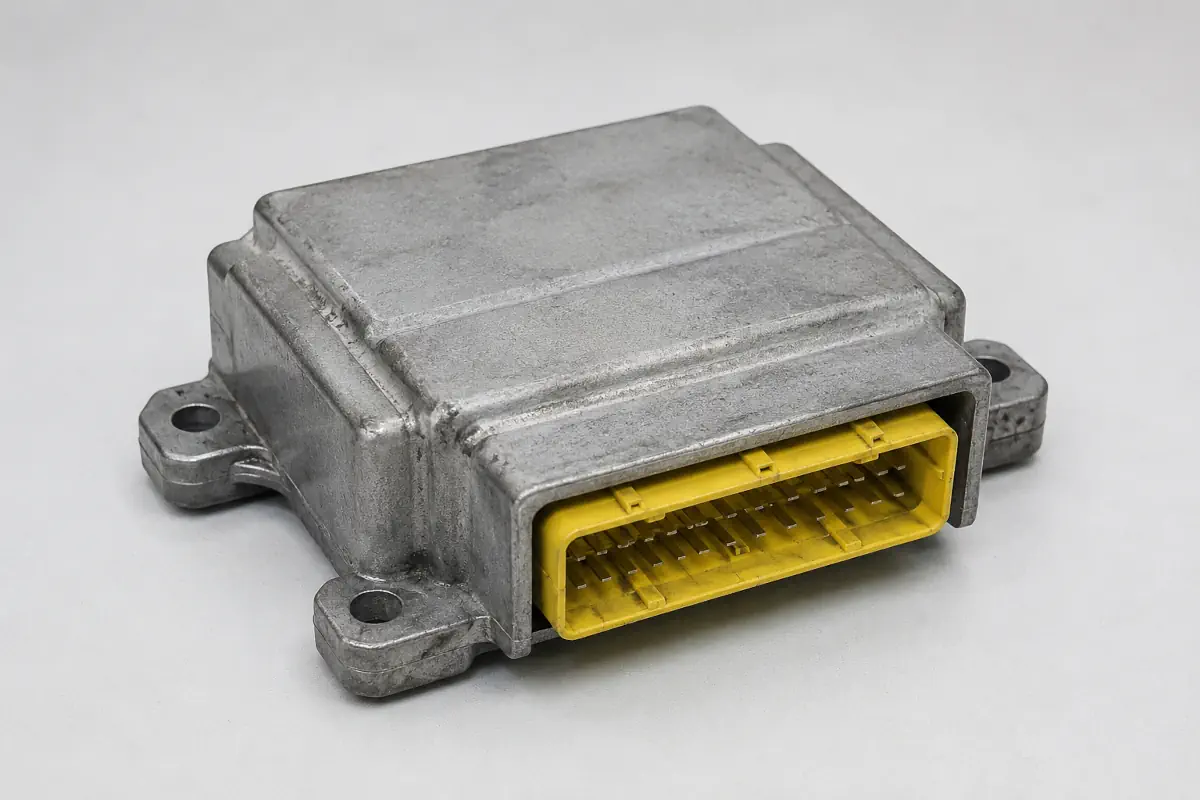
Many vehicles contain an Event Data Recorder, commonly referred to as a “black box.”
A black box is designed to capture certain vehicle information surrounding a collision or other significant event.
The exact information collected varies depending on the manufacturer and vehicle model.
In many situations, the device may record information relating to:
- Vehicle speed
- Brake application
- Steering activity
- Seat belt usage
- Airbag deployment
- Engine performance
- Accelerator position
Not every vehicle records the same information.
Likewise, not every collision generates the same type of recorded data.
The existence of a black box does not automatically mean every second of driving activity is permanently stored.
Why Black Box Data Matters
Black box data can become an important source of evidence.
Following a crash, investigators may attempt to compare recorded vehicle information with:
- Witness statements
- Police reports
- Photographs
- Video footage
- Physical roadway evidence
This comparison may help reconstruct the events leading up to a collision.
For example, data may potentially assist in evaluating:
- Vehicle speed
- Braking activity
- Impact timing
- Driver actions immediately before a crash
Because of this, black box information is frequently discussed in accident litigation.
Many individuals who contact a car accident lawyer are surprised to learn that electronic vehicle data may become part of an investigation.
The Expansion of Connected Vehicle Technology
Vehicles Are No Longer Isolated Machines
Modern vehicles increasingly communicate with external systems.
Depending on the manufacturer and technology package, a vehicle may connect to:
- Mobile phones
- Navigation services
- Cloud platforms
- Emergency assistance systems
- Remote diagnostic services
- Manufacturer support networks
As a result, information may exist in multiple locations.
Potential data sources can include:
- Vehicle hardware
- Manufacturer databases
- Mobile applications
- Third-party service providers
This technological expansion has generated significant legal discussions concerning privacy and ownership.
The Growth of Digital Evidence
Digital evidence is becoming increasingly common in accident claims.
Examples may include:
- Dash camera footage
- Traffic camera recordings
- Mobile phone records
- GPS data
- Vehicle telemetry information
- Connected vehicle logs
As more data becomes available, disputes concerning access and interpretation also increase.
Electronic information can sometimes support a driver’s version of events.
In other situations, the same information may be used by opposing parties.
Because every accident is different, the impact of digital evidence depends heavily on the surrounding facts.
Who May Seek Access to Vehicle Crash Data?
Insurance Companies
Insurance companies often investigate accidents before making coverage decisions.
Their investigation may include reviewing:
- Photographs
- Vehicle inspections
- Repair estimates
- Medical records
- Witness statements
In some situations, electronic vehicle data may also become relevant.
The availability of such information depends on multiple factors, including vehicle technology, applicable law, consent issues, and the circumstances of the investigation.
Insurance carriers frequently seek evidence that helps them evaluate:
- Fault
- Damages
- Injury claims
- Coverage questions
Drivers should carefully review requests involving access to electronic information and understand what information is being requested.
Attorneys and Legal Representatives
Attorneys may investigate evidence from numerous sources.
Potential evidence may include:
- Accident reports
- Surveillance footage
- Expert analysis
- Witness testimony
- Electronic vehicle data
A car accident attorney may evaluate whether available digital information supports or contradicts other evidence.
The goal is generally to obtain a complete understanding of the events surrounding the collision.
As technology continues to evolve, electronic evidence is becoming increasingly important in personal injury litigation.
Law Enforcement Agencies
Law enforcement agencies may investigate serious collisions.
The scope of an investigation depends on the circumstances involved.
Investigators may seek information relating to:
- Collision timing
- Vehicle operation
- Driver actions
- Roadway conditions
Legal procedures may affect whether certain information can be accessed and how it may later be used.
Questions regarding privacy rights frequently arise when electronic data becomes part of an investigation.
Privacy Concerns Continue to Grow
Drivers Often Do Not Know What Is Being Recorded
One of the most significant privacy concerns involves awareness.
Many vehicle owners do not know:
- What information is collected
- How long information is stored
- Where information is stored
- Who may access the information
- Whether information is shared
Modern vehicles contain increasingly sophisticated technology.
As a result, privacy discussions have expanded well beyond traditional accident investigations.
Consumers are paying closer attention to digital data collection practices throughout many industries, including the automotive industry.
Ownership Questions Remain Important
One of the most common questions is simple:
Who owns the information generated by a vehicle?
The answer can depend on numerous factors.
These factors may include:
- Vehicle manufacturer policies
- Contractual agreements
- Applicable laws
- Consent provisions
- Specific data categories
Ownership and access are not always identical concepts.
A person may claim ownership interests while another party may possess certain legal rights regarding access, disclosure, preservation, or use.
These issues continue to evolve alongside vehicle technology.
How Black Box Evidence Can Affect Accident Claims

Supporting a Driver’s Position
In some cases, crash data may support a driver’s version of events.
Examples may include situations involving disputes about:
- Speed
- Braking
- Impact timing
- Vehicle movement
Electronic information may help clarify factual disagreements.
However, no single source of evidence should automatically be viewed in isolation.
Investigators frequently compare multiple forms of evidence before reaching conclusions.
Challenging Other Evidence
Electronic information may also be used to challenge other evidence.
Potential examples include:
- Conflicting witness statements
- Inconsistent accident reports
- Disputed timelines
- Questions regarding vehicle operation
When multiple sources of information exist, investigators may attempt to reconcile inconsistencies.
This process can become highly technical and may require expert analysis.
Data Is Not Always Perfect
Many people assume electronic evidence is always accurate.
That assumption may not always be correct.
Potential issues can include:
- Incomplete recordings
- Missing information
- Data interpretation disputes
- Technical limitations
- Equipment issues
Like other forms of evidence, electronic information often requires careful evaluation.
The existence of data alone does not automatically determine liability or responsibility.
Why Spanish-Speaking Communities Are Asking More Questions About Vehicle Data
Technology affects drivers regardless of the language they speak.
However, legal and technical terminology can be difficult to understand.
Many individuals searching online for an abogado de choques de carros want clear explanations regarding:
- Accident investigations
- Insurance claims
- Vehicle data collection
- Privacy concerns
- Injury claims
Likewise, many accident victims seek a car accident lawyer that speaks Spanish so they can better understand complex legal and technical issues.
As connected vehicle technology becomes more common, understanding these issues may become increasingly important for both English-speaking and Spanish-speaking drivers.
How Manufacturers and Technology Companies May Become Relevant
More Parties May Possess Relevant Information
In older accident investigations, evidence was often limited to the vehicles involved, eyewitnesses, and physical roadway evidence.
Today, multiple entities may potentially possess information relating to a collision.
Examples may include:
- Vehicle manufacturers
- Software providers
- Navigation service providers
- Connected vehicle platforms
- Emergency response systems
- Telematics providers
As technology advances, determining where information exists can become more complicated.
Investigators may need to determine:
- Whether data exists
- How long it was retained
- Whether it was altered
- Whether it can be accessed legally
- Whether it is relevant to disputed issues
These questions can become important in both insurance claims and litigation.
Electronic Evidence and Accident Reconstruction
Accident Reconstruction Is Becoming More Technical
Accident reconstruction traditionally relied on:
- Tire marks
- Vehicle damage
- Road conditions
- Witness observations
- Physical measurements
Modern investigations often involve digital evidence as well.
Potential sources include:
- Event Data Recorder information
- GPS records
- Dashcam footage
- Traffic camera recordings
- Vehicle system logs
Experts may compare multiple forms of evidence to better understand the sequence of events.
The increasing use of technology has changed how many collisions are investigated.
Multiple Sources Are Often Compared
A single piece of evidence rarely tells the entire story.
Investigators may compare:
- Black box data
- Surveillance footage
- Vehicle damage patterns
- Witness statements
- Medical evidence
- Police observations
When these sources support one another, they may strengthen factual conclusions.
When they conflict, additional investigation may be required.
Common Myths About Vehicle Black Box Data
Myth: Every Vehicle Records Everything
Many drivers assume modern vehicles permanently record every aspect of every trip.
That is generally not the case.
The information collected varies significantly depending on:
- Vehicle model
- Manufacturer
- Software version
- Equipment package
- Technology features
Different vehicles may store different types of information.
Myth: Black Box Data Automatically Determines Fault
Electronic information may be valuable evidence.
However, fault is generally determined through evaluation of all relevant facts.
Important considerations may include:
- Driver conduct
- Road conditions
- Weather conditions
- Visibility
- Traffic signals
- Witness testimony
Electronic evidence is often only one part of a larger investigation.
Myth: Privacy Concerns Do Not Apply
Many people assume accident investigations eliminate all privacy concerns.
Privacy issues may still arise when questions involve:
- Data access
- Data retention
- Data sharing
- Data disclosure
- Data ownership
The growing amount of information generated by vehicles continues to fuel discussions regarding consumer privacy rights.
What Drivers Should Do After a Serious Accident
Preserve Evidence Early
Evidence may become unavailable over time.
Important items may include:
- Vehicle photographs
- Accident scene photographs
- Medical records
- Repair estimates
- Witness contact information
- Insurance communications
Preserving information early may help avoid future disputes.
Keep Records Organized
Accident claims frequently involve substantial documentation.
Helpful records may include:
- Medical bills
- Treatment records
- Insurance letters
- Vehicle repair invoices
- Wage-loss documentation
- Transportation expenses
Organization can help simplify the claims process.
Be Careful With Recorded Statements
Many accident victims are contacted shortly after a collision.
Before providing detailed information, individuals should ensure they understand:
- Who is requesting information
- Why information is being requested
- How information may be used
Careful communication can help reduce misunderstandings.
The Future of Crash Data Privacy Law
Technology Continues to Evolve
Vehicle technology continues to develop rapidly.
Future vehicles may generate even more information relating to:
- Vehicle performance
- Driving behavior
- Navigation activity
- Safety systems
- Collision events
As technology expands, lawmakers, courts, manufacturers, insurers, and consumers will likely continue debating issues involving privacy and access.
Data Will Play a Larger Role in Accident Cases
Digital evidence is becoming increasingly common.
Future accident investigations may rely on:
- Connected vehicle systems
- Artificial intelligence analysis
- Advanced driver assistance technologies
- Expanded vehicle telemetry
- Integrated transportation systems
Understanding how this information may affect legal claims will become increasingly important.
Many people initially searching for a car accident lawyer today are surprised to learn how much technology may be involved in a modern accident claim.
Likewise, many individuals seeking a car accident lawyer that speaks Spanish or an abogado de choques de carros want assistance understanding not only injury law but also the growing role of electronic evidence.
As technology continues to advance, legal questions involving privacy, ownership, and access to vehicle-generated information are likely to remain important topics in accident litigation.
Many people searching for a car accident lawyer after a serious collision are surprised to learn how much technology may be involved in a modern accident claim.
Many drivers are unaware of how much information their vehicles may record before or during a collision. Those interested in learning more about Event Data Recorder technology can review the official NHTSA Event Data Recorder Information resource, which explains how these systems may collect and store certain crash-related data.
As connected vehicle technology continues to expand, privacy concerns have become increasingly important for consumers. The official FTC Consumer Privacy Resources page provides helpful information about data collection, privacy practices, and consumer protection issues involving digital information.
FAQ
What is a vehicle black box?
A vehicle black box, often called an Event Data Recorder, is a system that may record certain vehicle information before, during, or after a collision.
Can black box data be used in a car accident claim?
In some situations, black box information may become part of an accident investigation and may be reviewed alongside other evidence.
Does every vehicle have a black box?
Different vehicles contain different technologies. The availability and type of recorded information vary by manufacturer and model.
Who owns vehicle crash data?
Ownership and access issues can depend on multiple factors, including applicable laws, agreements, and the type of information involved.
Can insurance companies access black box information?
Access to vehicle data depends on the circumstances of the investigation and applicable legal requirements.
Can black box data prove who caused an accident?
Electronic information may provide useful evidence, but fault determinations generally involve reviewing all relevant facts and evidence.
Why do people look for a car accident lawyer that speaks Spanish?
Many accident victims prefer receiving legal information in their primary language so they can better understand their rights and options.
What does abogado de choques de carros mean?
The phrase generally refers to a lawyer who handles motor vehicle accident cases and may assist individuals involved in traffic collisions.
IMPORTANT LEGAL DISCLAIMER
THIS ARTICLE IS PROVIDED FOR GENERAL INFORMATIONAL AND EDUCATIONAL PURPOSES ONLY.
THIS ARTICLE IS NOT LEGAL ADVICE.
READING THIS ARTICLE DOES NOT CREATE AN ATTORNEY–CLIENT RELATIONSHIP BETWEEN THE READER AND SERVICIOS LEGALES ABOGADOS CHICAGO OR ANY OF ITS ATTORNEYS, EMPLOYEES, REPRESENTATIVES, OR AFFILIATES.
LAWS, REGULATIONS, COURT DECISIONS, GOVERNMENT POLICIES, AND LEGAL PROCEDURES MAY CHANGE OVER TIME. LEGAL OUTCOMES DEPEND ON THE SPECIFIC FACTS OF EACH CASE. INFORMATION DISCUSSED IN THIS ARTICLE MAY BECOME OUTDATED, INCOMPLETE, OR NO LONGER APPLICABLE.
WHILE REASONABLE EFFORTS ARE MADE TO PROVIDE ACCURATE INFORMATION, NO REPRESENTATION OR WARRANTY IS MADE REGARDING THE COMPLETENESS, ACCURACY, RELIABILITY, OR CURRENT STATUS OF ANY INFORMATION CONTAINED IN THIS ARTICLE.
SERVICIOS LEGALES ABOGADOS CHICAGO IS NOT RESPONSIBLE FOR ERRORS, OMISSIONS, OUTDATED INFORMATION, OR INACCURACIES THAT MAY APPEAR IN THIS ARTICLE.
READERS SHOULD NOT ACT OR REFRAIN FROM ACTING BASED SOLELY ON INFORMATION CONTAINED HEREIN.
IMMIGRATION LAW, PERSONAL INJURY LAW, TRAFFIC LAW, INSURANCE LAW, AND OTHER LEGAL MATTERS ARE HIGHLY FACT-SPECIFIC AND SUBJECT TO CHANGE.
IF YOU NEED LEGAL ADVICE REGARDING YOUR SPECIFIC SITUATION, CONSULT A QUALIFIED ATTORNEY LICENSED IN THE APPROPRIATE JURISDICTION.